Share on LinkedIn
7 October, 2026
Posted: 14 September, 2026
Cultural Encounters (2013-2016)
Marrying Cultures: Queens Consort and European Identities 1500-1800
The Humanities in the European Research Area (HERA) is a collaborative partnership of 26 national research funding agencies from 25 European countries. In summer 2026, two AHRC interns, Princess Kunadu and Sammy Morgan, explored the long-term impact of UK involvement in HERA-funded research by contacting project leads to gather stories about what their research has achieved since completion. The team developed six responses into stories highlighting the lasting value of European collaboration.
Learn more about the process of collecting the stories
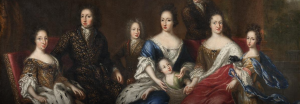
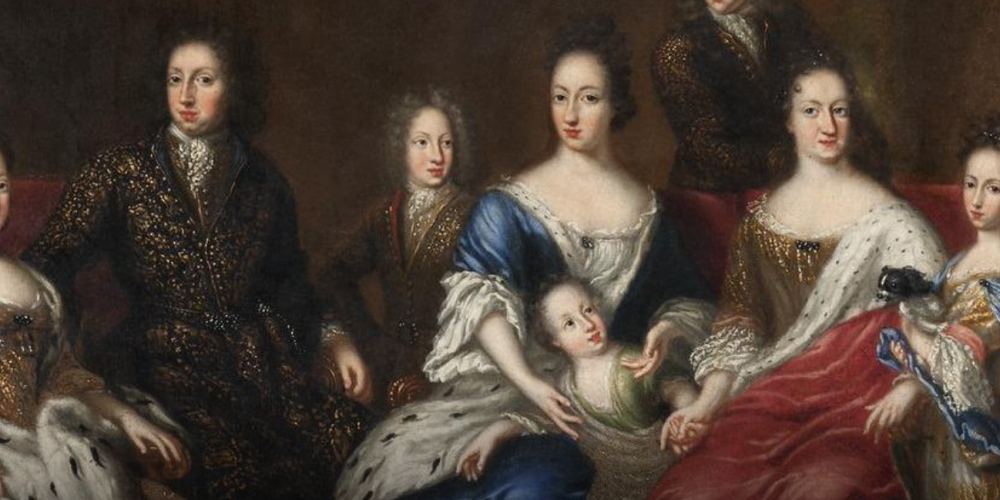
Credit: Charles XI’s Family with Relatives from the Duchy Holstein-Gottorp, David Klöcker Ehrenstrahl
Between 1500 and 1800, royal marriages were some of the most important connections between European nations. Marrying Cultures: Queens Consort and National Identities explored how foreign-born queens influenced the courts they married into and how these international marriages helped shape national identities, cultural traditions, and political relationships across Europe with their impact still being felt in the 21st century.
Led by Professor Helen Wantanabe O’Kelly at the University of Oxford, researchers from the UK, Sweden, Poland and Germany came together to reveal the deep cultural interconnectedness of European societies. They demonstrated the vital role of various countries across the European continent in shaping European identities.
At a time when national histories can often be studied in isolation, one of the project’s key contributions was working closely with museums, libraries, and royal palaces including Kensington Palace, the Victoria and Albert Museum, the National Portrait Gallery, London; the Royal Armoury, Stockholm, and the Duke August Library, Wolfenbüttel) to share stories of these cultural exchanges and international connections. As a result, the significant role royal women played as cultural ambassadors who introduced new ideas, customs, artistic influences, and political connections was highlighted – advancing public knowledge of Europe’s shared heritage and the UK’s place within it.
The collaboration established through the project has endured beyond its original lifetime, with research partners across the UK, Sweden, Poland, and Germany continuing to exchange expertise and develop new research opportunities. The project’s research has also had a lasting academic legacy through influential publications, including Queens Consort, Cultural Transfer and European Politics, c.1500–1800, which continues to be cited.
By uncovering the role of royal women in shaping cultural and political identities, Marrying Cultures has strengthened understanding of Europe’s interconnected past and encouraged more informed conversations about shared histories and international cooperation today.
Professor Helen Watanabe O’Kelly | Oxford University | [email protected]
Written by Princess Kunadu