
TiCToC: Times in Crisis, Times of Crisis: The Temporalities of Europe in Polycrisis
TickToCrisis – Times in Crisis, Times of Crisis: The Temporalities of Europe in Polycrisis
TiCkToCrisis investigates the temporal dimensions of Europe’s widely discussed “polycrisis,” spanning climate change, economic instability, migration, democratic strain, armed conflict, and challenges within academia. Contemporary discourse frequently frames current conditions as a state of pervasive crisis, or even as time itself being “in crisis.”
The project advances the concept of “times in/of crisis” to analyse how crisis is experienced, articulated, and culturally expressed. In moments of upheaval, time may feel accelerated—as if the clock is ticking—while in other contexts it may appear suspended, chronic, anticipatory, or era-defining. A crisis may emerge as a sudden rupture, a slow-burning deterioration, an axiomatic condition, or a pervasive mood. By placing time at the centre of crisis analysis, the project examines what distinguishes “crisis time” from “normal time,” how crisis transforms over temporal scales, and how it is reinterpreted in hindsight.
Specific objectives
- Conceptualize and critically examine “times in/of crisis” as a socio-cultural and philosophical problem.
- Investigate vernacular articulations of life in turmoil across diverse European contexts.
- Analyze how crisis is experienced as fast, slow, chronic, anticipatory, or atmosphere-defining.
- Conduct comparative ethnographic research structured around three temporal registers: past, present, and future.
- Examine how crisis is represented and expressed in art and literature.
- Explore socio-philosophical questions concerning the temporal coordinates of crisis.
- Assess how framing situations as “crisis” shapes public discourse, governance, and lived experience.
Achievements
At this stage, the TiCToC project is fully engaged in ethnographic fieldwork across the diverse locales encompassed by its Work Packages (WPs) and partner countries, marking a significant phase of empirical data collection and on-the-ground research activity.
The project team has established a series of formalised routines to support coordination and intellectual exchange, most notably through monthly online meetings. These meetings have been structured around rotating presentations of WP focus areas, enabling sustained cross-team engagement. In addition, the inclusion of external contributors has been initiated, further enriching the project’s interdisciplinary dialogue. For example, in February, Morten Nielsen (The National Museum of Denmark), an associate partner of the project, delivered a presentation exploring exhibitions as modes of research practice. This contribution generated substantive discussion within the team, particularly regarding the integration of alternative formats both in research design and in the dissemination of project outputs.
A number of related academic initiatives have also been developed within the framework of TiCToC. Andreas Bandak, in collaboration with the University of Copenhagen, has established the Copenhagen Conversations series, which operates in close connection with the project. The September 2025 edition of this series featured Tim Ingold and Jane Bennett, the latter serving on TiCToC’s advisory board. The public event, hosted at a museum venue, was fully subscribed, while a subsequent closed roundtable at the University of Copenhagen—chaired by Bandak—brought together sixteen scholars, including Daniel M. Knight, and was widely regarded as a significant success.
Project members continue to demonstrate strong research outputs and public engagement. Bandak has secured acceptance for a special issue of Ethnos, scheduled for publication in 2026, which will include a contribution by Knight. Knight’s work has also reached wider audiences through media engagement, including a feature interview in The Guardian addressing the theme of polycrisis. In terms of monographic publications, Knight has released a book in 2025 with a further volume forthcoming in early 2027. Katerina Kralowa has recently published a monograph, while Vlad Naumescu has a monograph scheduled for release in spring. Additionally, Bandak and Knight have formalised an agreement with Cornell University Press for an edited volume titled Time and Crisis, which will bring together leading scholars in the humanities and social theory.
Engagement with the project’s Advisory Board has also progressed. The team has conducted a series of interviews and dedicated sessions with members including Hans Ulrich Gumbrecht and Jane Bennett. Gumbrecht has visited the University of St Andrews, where he delivered a public lecture and participated in an interview conducted by Bandak and Knight. This material is being prepared for inclusion in a forthcoming edited volume associated with the project.
News to be highlighted
The project has primarily conducted ethnographic fieldwork so far, but also established strong working routines and a reading group led by the post-docs in the project. The entire project will meet up in Scotland in March 2026 to discuss and learn from each other. Advisory board members Astrid Erll and Rebecca Bryant will join online for a session while the group is present.
Consortium/ partners
Project Leader: Andreas Bandak, University of Copenhagen, Denmark
Daniel Knight, University of St Andrews, United Kingdom
Heath Cabot, Synnøve Bendixsen University of Bergen, Norway
Saša Poljak Istenič, Miha Kozorog, Znanstvenoraziskovalni center Slovenske akademije znanosti in umetnosti (ZRC SAZU), Slovenia
Vlad Naumescu, Central European University, Austria
Jana Nosková, Kateřina Králová, Michal Pavlásek, Institute of Ethnology of the Czech Academy of Sciences, Czechia
Associate partners:
Jiri Honzirek, Divadlo Feste, Czech Republic
Marie Janouskova, Post Bellum, Czech Republic
Tanja Roženbergar, Slovene Ethnological Society, Slovenia
Morten Nielsen, National Museum of Denmark, Denmark
Cooperation partners:
Astrid Erll, Professor, Goethe University/Institute of English and American Studies, Germany
Director and co-founder Konstantinos Aivaliotis, Ethnofest, Greece
Eelco Runia, author, cultural historian, psychologist, Independent, Netherlands
Francois Hartog, Professor, EHESS/, France
Hans Ulrich Gumbrecht, Professor, Stanford University/School of Humanities and the Sciences/Division of Literatures, Cultures, and Languages, United States
Istvan Rev, Director, Open Society Archive, Hungary
Jane Bennett, Professor, Johns Hopkins University/Department of Comparative Thought and Literature, United States
Rebecca Bryant, Professor, Utrecht University/Department of Cultural Anthropology, Netherlands
Susana Narotzky, Professor, University of Barcelona/Department of Social Anthropology, Spain
 Share on LinkedIn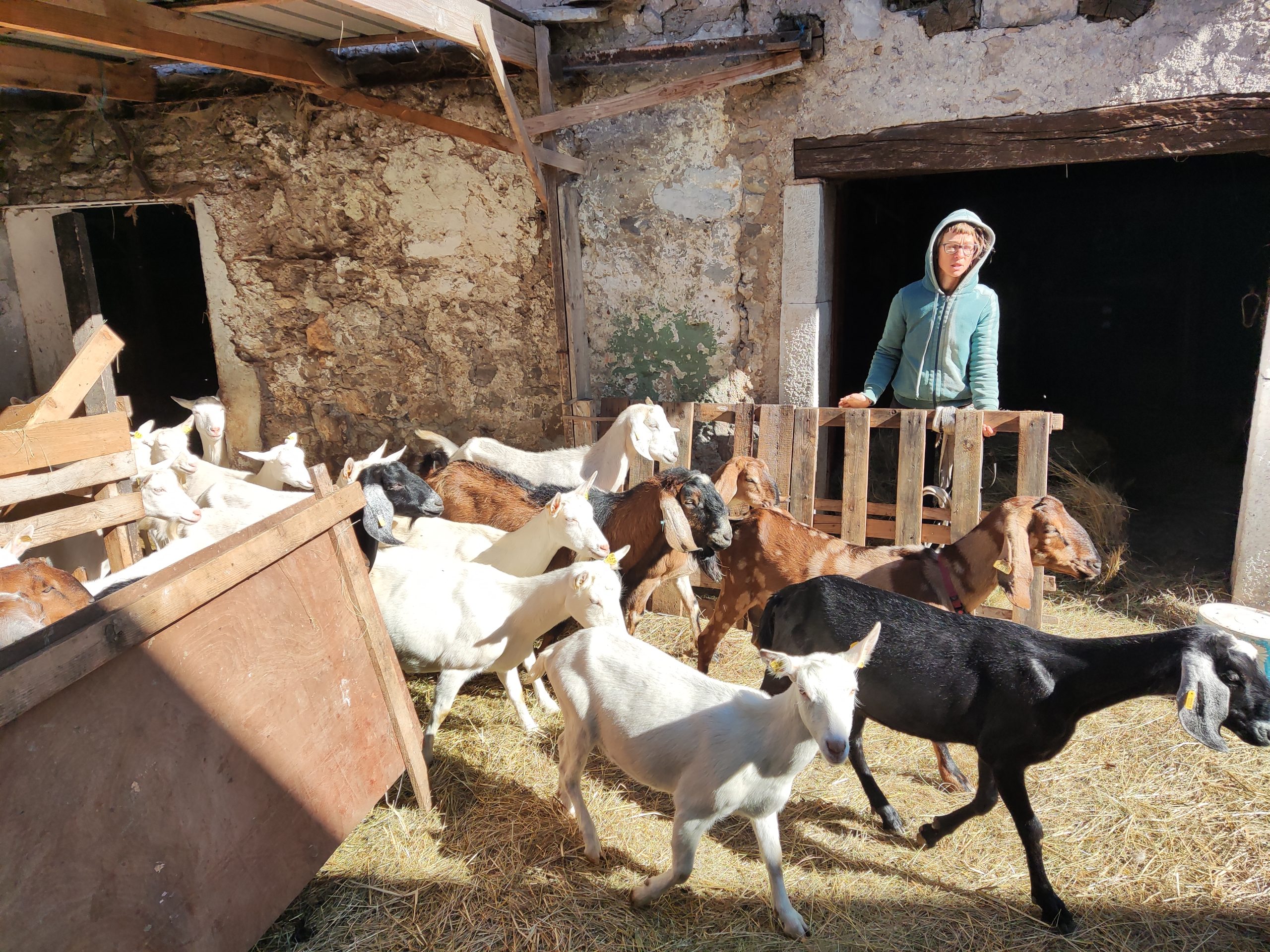
photos from fieldwork by the Slovenian team lead by Saša Poljak Istenič 1
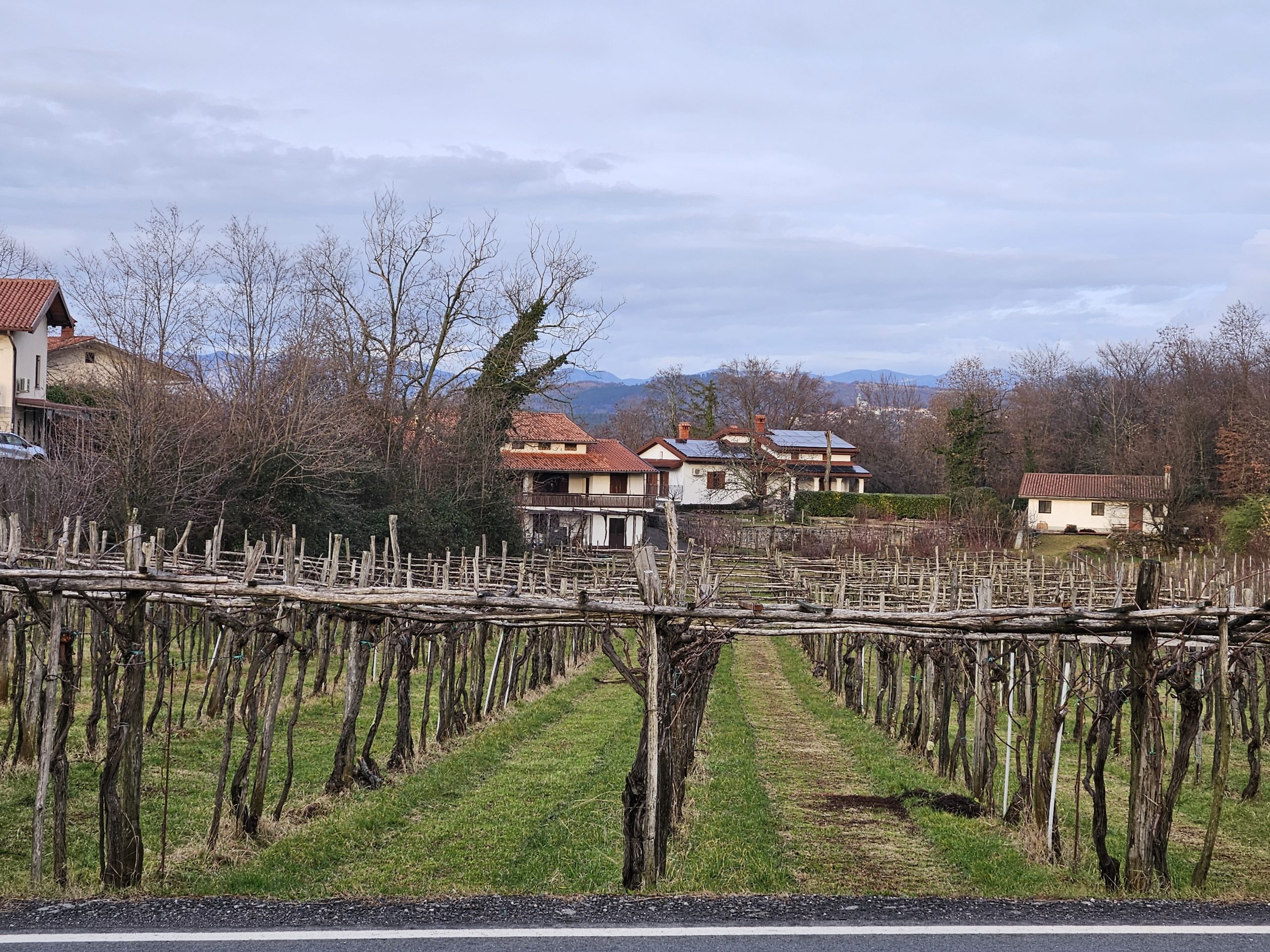
photos from fieldwork by the Slovenian team lead by Saša Poljak Istenič 2
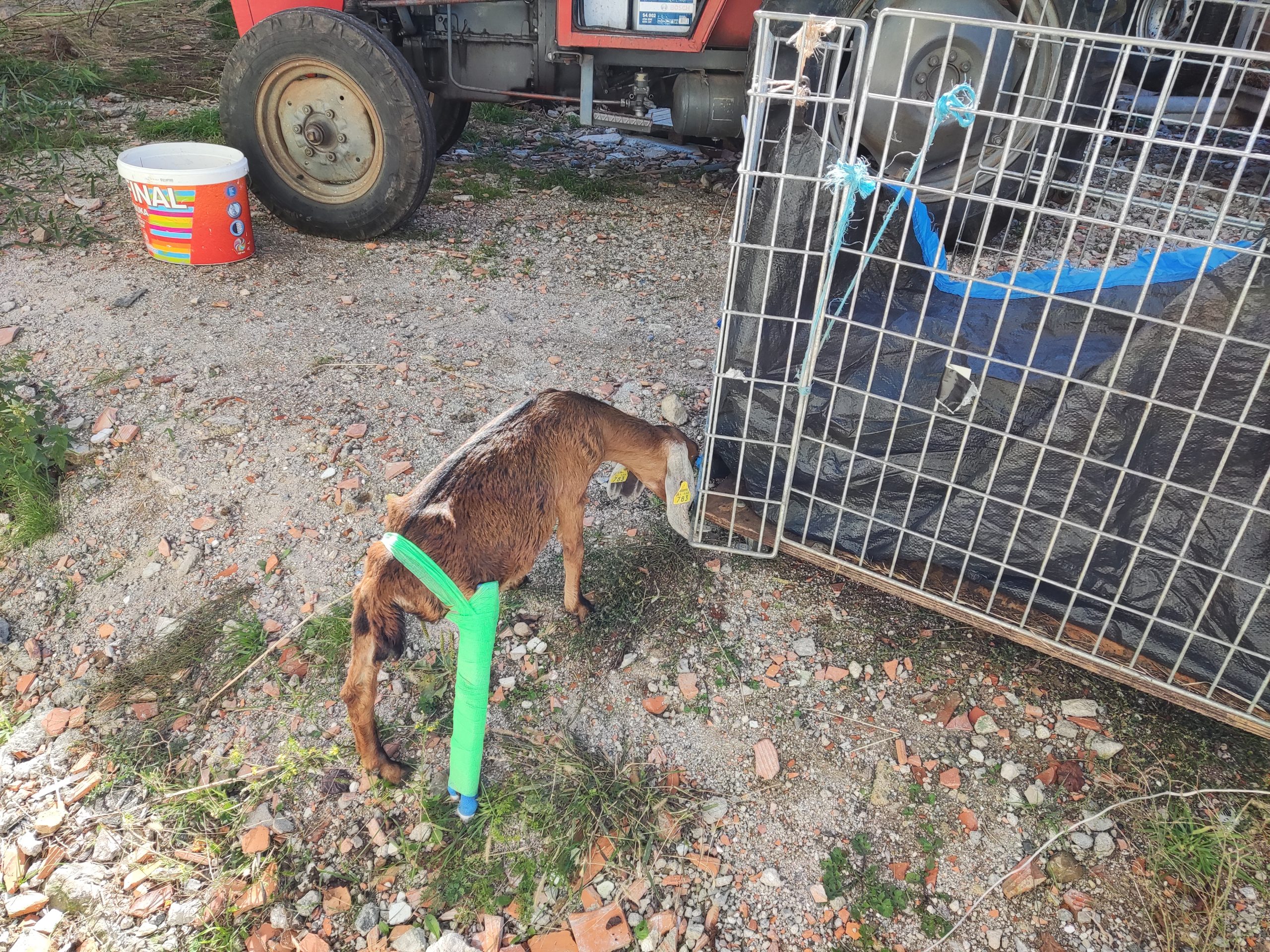
photos from fieldwork by the Slovenian team lead by Saša Poljak Istenič 4
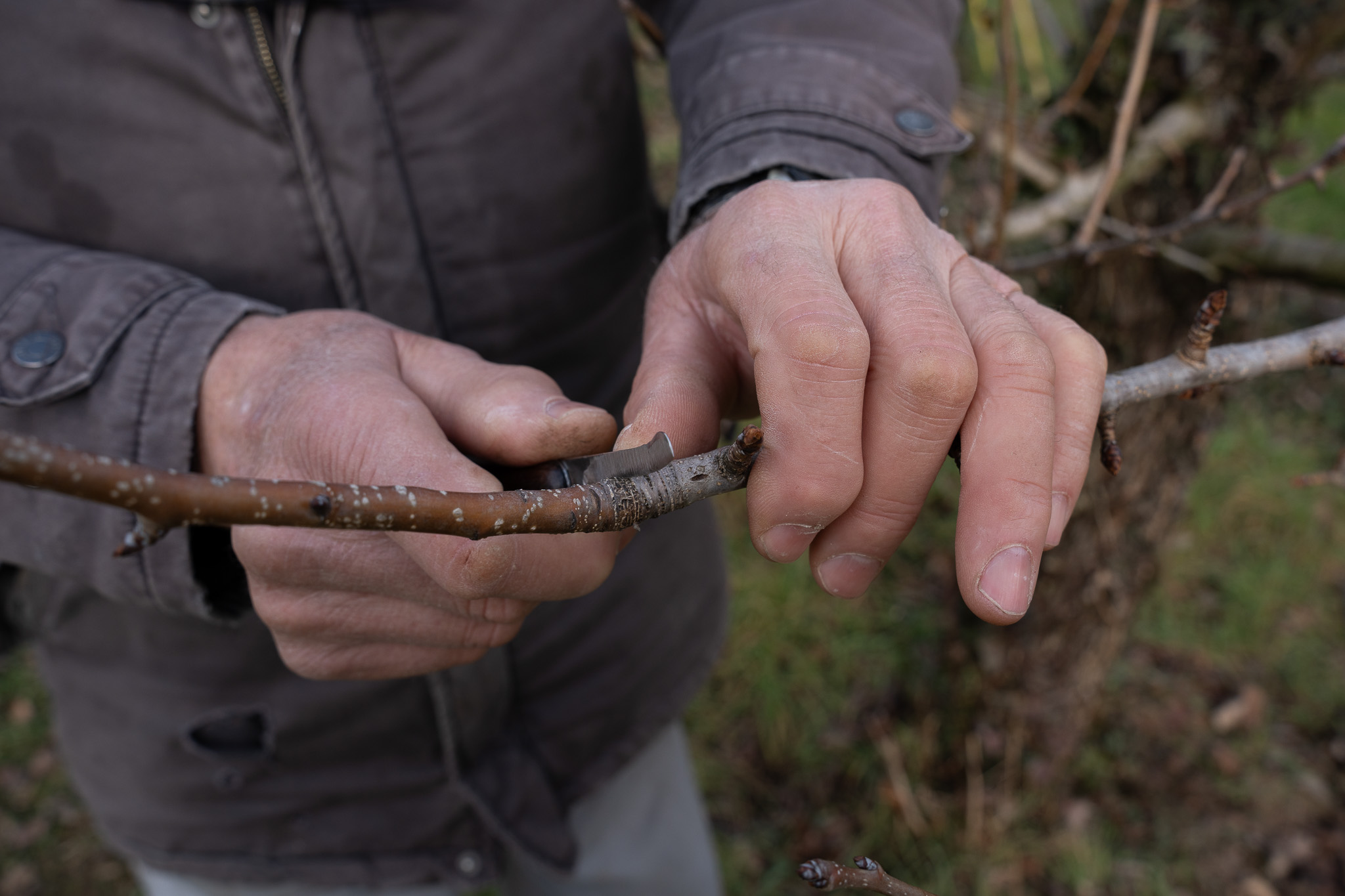
photos from fieldwork by the Slovenian team lead by Saša Poljak Istenič