
Home in Crisis: Deconstructing ‘home’ in crisis – understanding intersecting crises through the lens of ‘home’
We live our daily lives in a state of climate crisis—commuting, working, caring for our families, and building homes—often without fully realizing how the crisis unfolds in intimate spaces. Home in Crisis explores the idea of ‘home’ as central to understanding the personal and experiential dimensions of climate change.
Specific objectives
The project uses a humanities-based approach to law to examine how the climate crisis is lived and felt at home. By focusing on ‘home’, the project highlights experiences often overlooked in legal and policy contexts, including homelessness within one’s home, displacement, and homesickness in one’s homeland. This will be achieved through:
- Revealing diverse understandings of home.
- Examining how home is constructed, deconstructed, and reconstructed in a climate crisis.
- Developing new ways to address the impacts of climate change within and beyond legal systems.
Achievements
In 2025, project partners have hosted a series of online and in-person dialogues, listening sessions, and workshops as part of its first work package which seeks to test research design, assess our assumptions, identify key concepts, and establish our community of research practice. These included exploratory, hands-on knowledge exchange events between associated partners, university-based partners and artists, working in different ways with theatrical methods as a form of research.
The entire team is currently working with partners and collaborators to develop various multimodal project outputs. Home in Crisis team members have carried out multi-sited theatrical field research in various areas of Sápmi and South Africa, working closely with theater companies that use participatory methods to explore climate grief and environmental issues in different regions.
In March 2026, the play “Isitha Sabanthu” was premiered in Johannesburg. The play is both a central output of this project and inherent to its methodology and learning. The creation of the play was led by project partner Empatheatre and follows two grandmothers – one human and one elephant – fighting to protect their families and land from corruption and mining to explore home, homing, and unhoming, in moments of intersecting crises and how these are associated with land rights and the deep connections between people, ancestors and nature.
News to be highlighted
The project’s first book chapter “Perhaps the world ends here: understanding the climate crisis through the lens of ‘home” will be released in an edited volume in 2026.
Consortium/ partners
- Project Leader: Miriam Cullen, University of Copenhagen, Denmark
- Dina Lupin, University of Southampton, UK
- Marie Aronsson-Storrier, University College Cork, Ireland
- Hugo Reinert, University of Oslo, Norway
More information:
Deconstructing ‘home’ in crisis – understanding intersecting crises through the lens of ‘home’
 Share on LinkedIn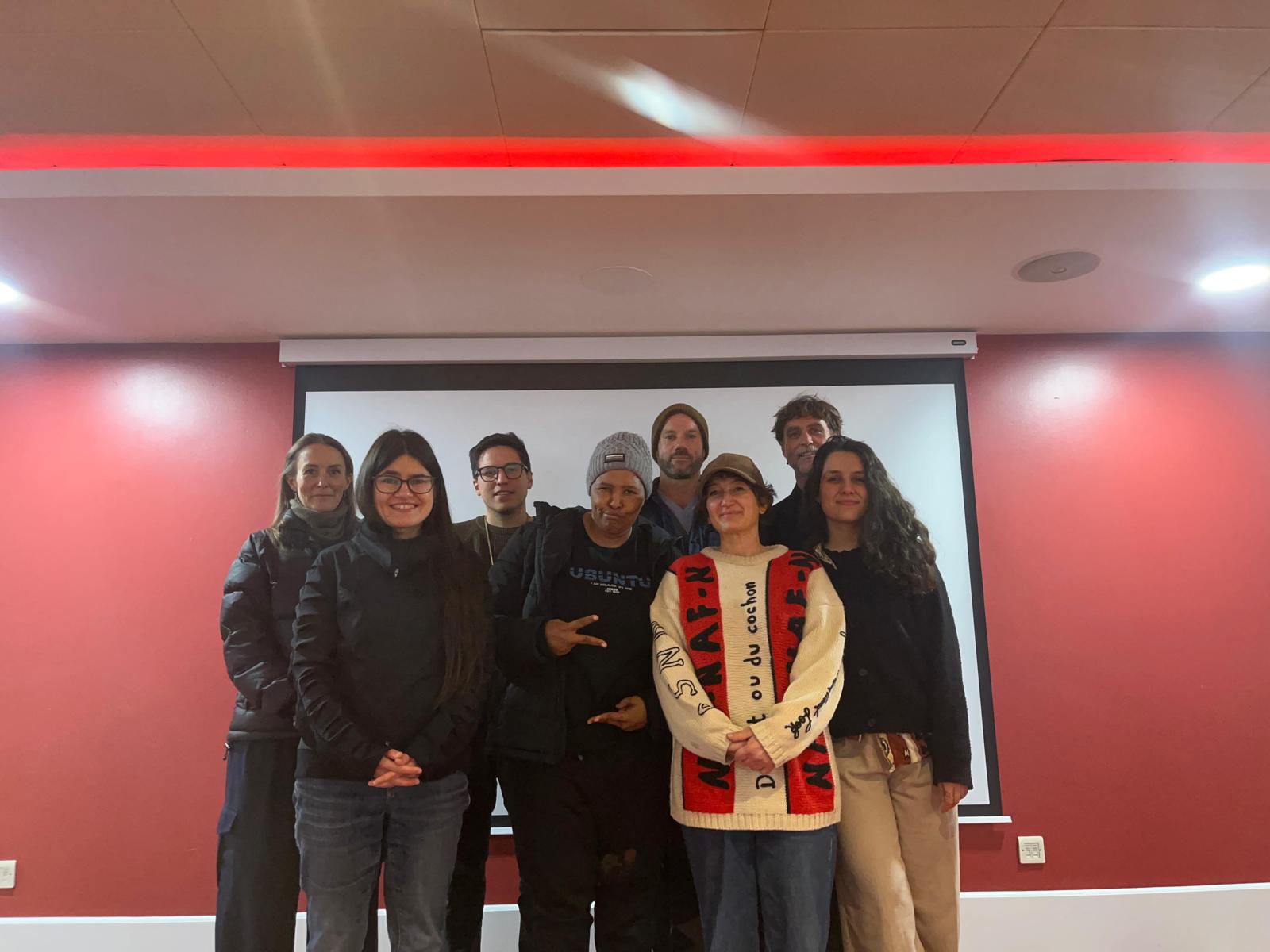
Home in Crisis - annual gathering 2025
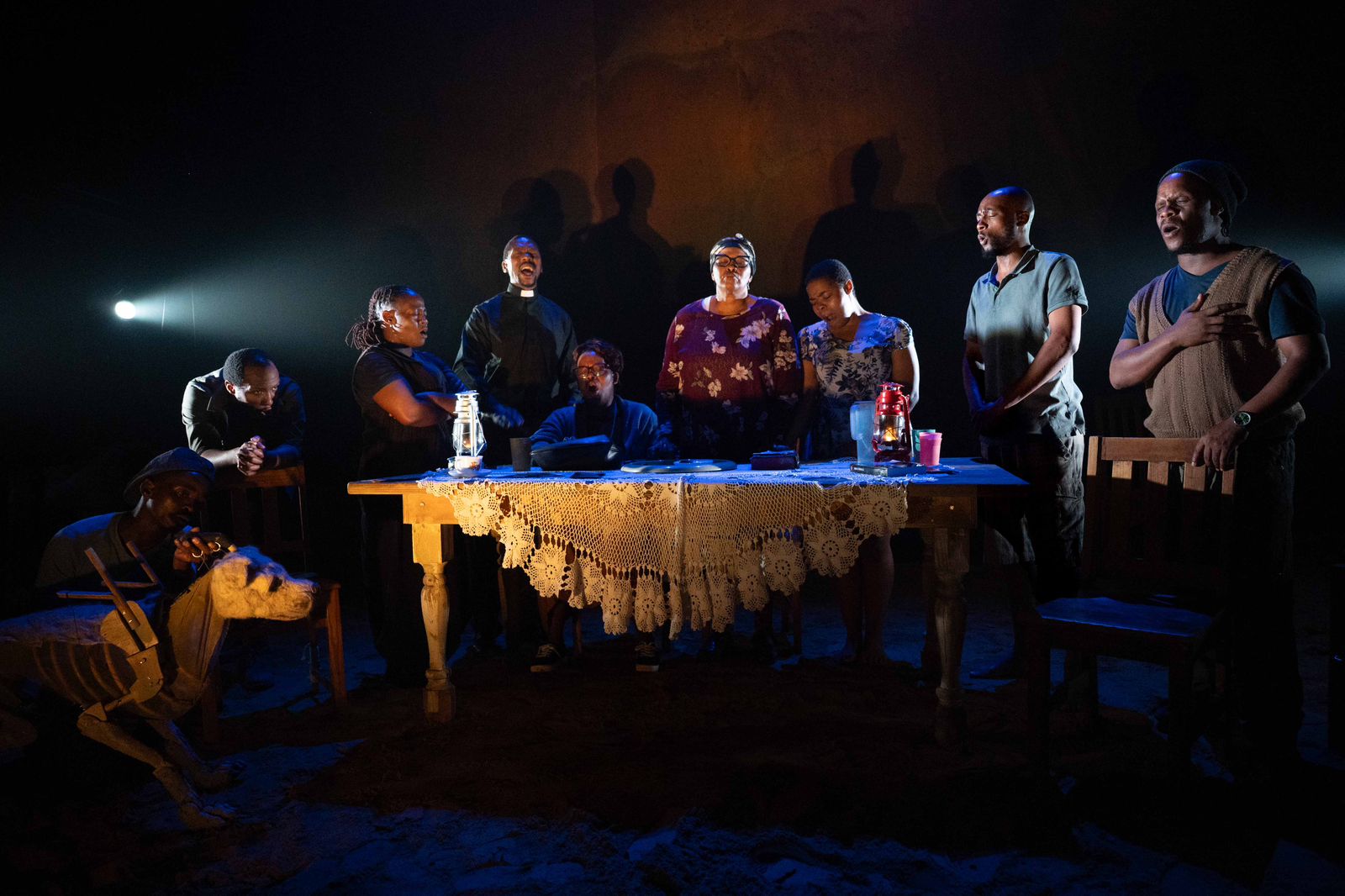
Isitha Sabanthu - cast at the table
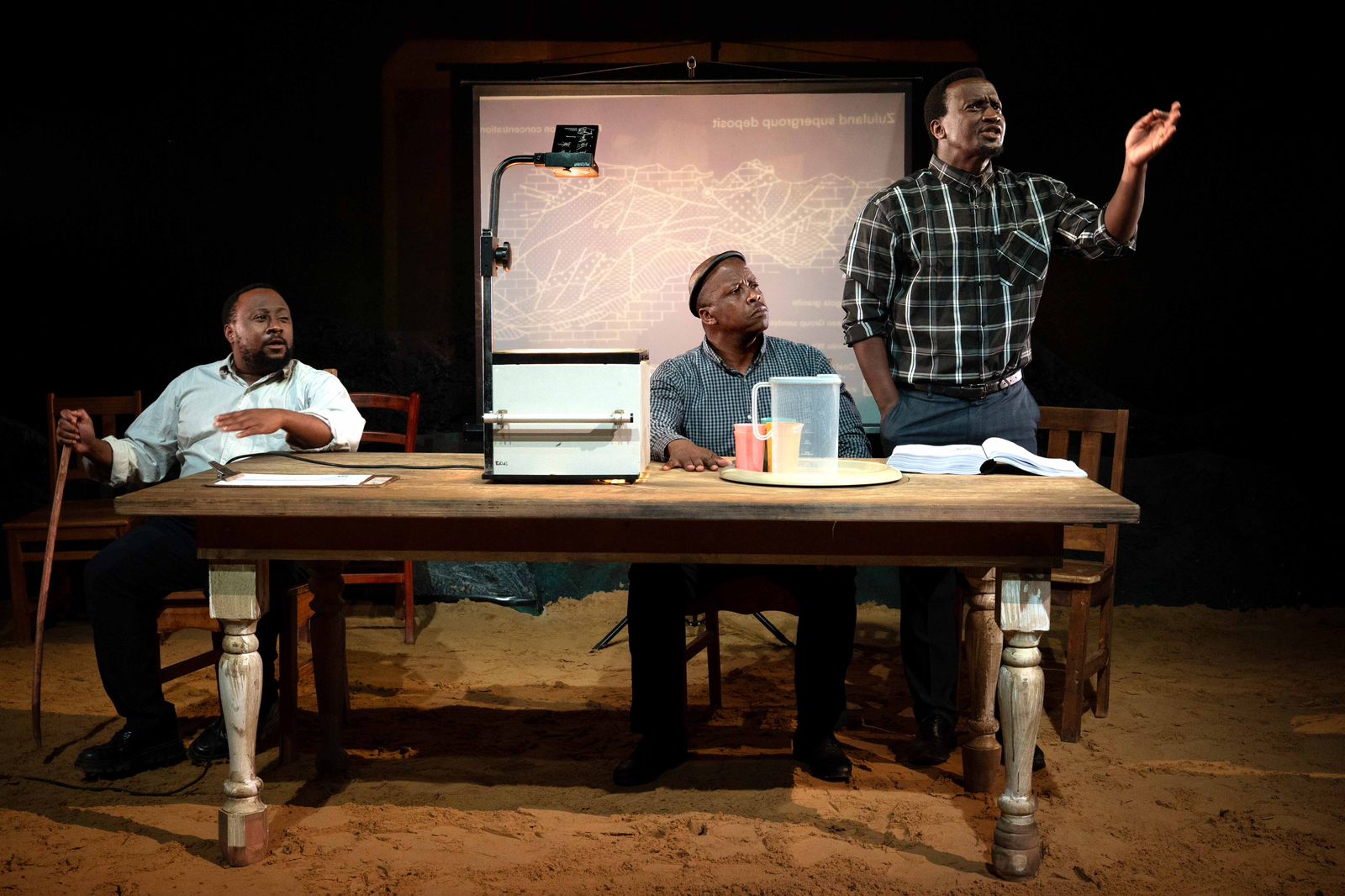
Isitha Sabanthu - men
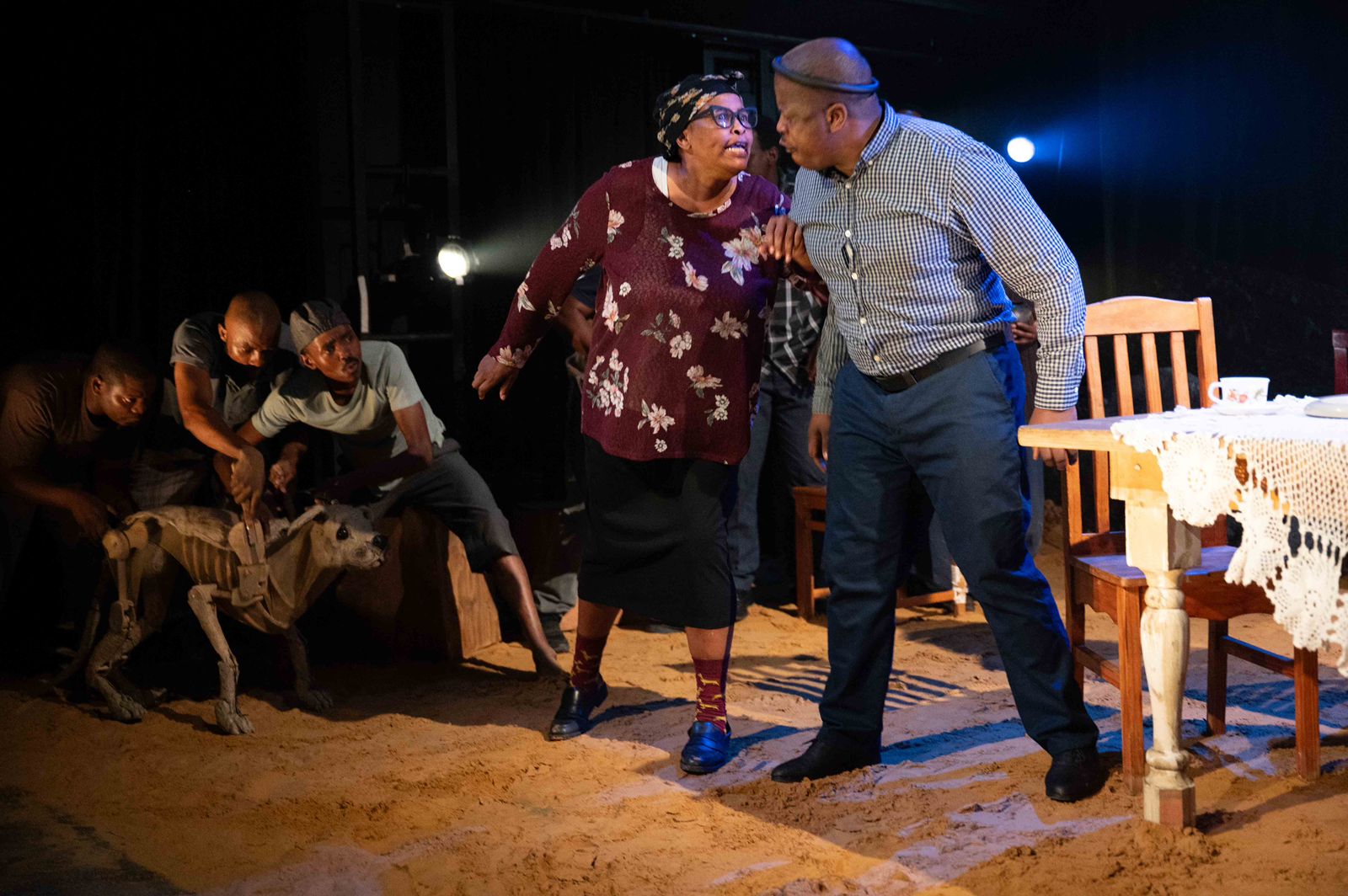
Isitha Sabanthu at the kitchen table
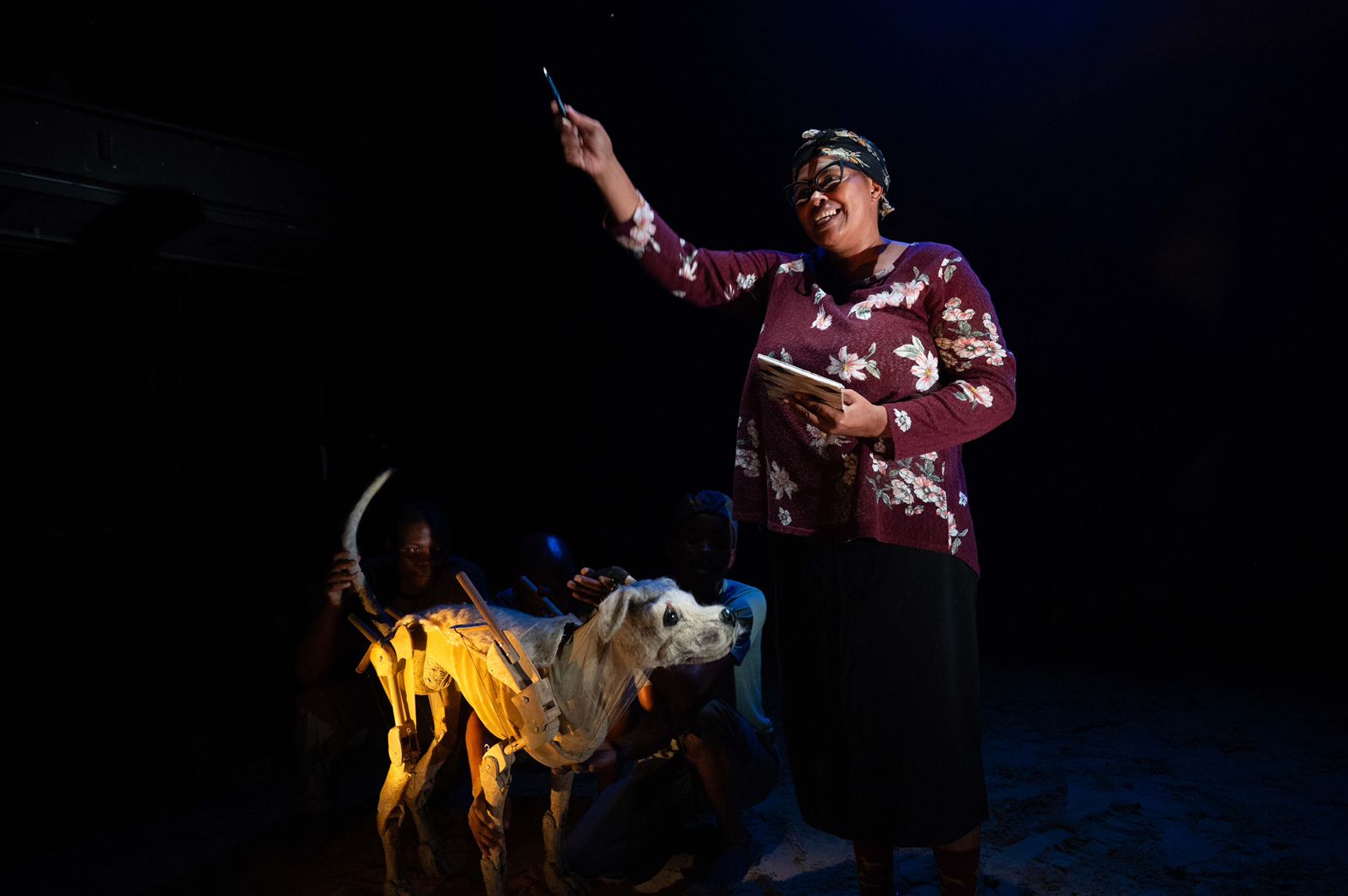
Mpume in character