
CRIES: CRIses Established Singing. Investigations into the Inherent Potential of Collective Singing in Times of Social Crises in the Scandinavian and Baltic Regions
CRIses Established Singing: Investigations into the Inherent Potential of Collective Singing in Times of Social Crises in the Scandinavian and Baltic Regions
CRIES explores how collective singing has historically and contemporarily functioned as a response to social crises in Scandinavia and the Baltic regions. From the Second Schleswig War to contemporary refugee crises, singing together has been a tool for cultural resilience, conflict resolution, and the promotion of social cohesion. The project compares singing practices across countries to understand their role in fostering communal bonds, identity, and inclusivity.
Specific objectives
- To investigate how collective singing supports cultural resilience and social cohesion during times of crisis, while also identifying potential limitations or exclusions that may arise from these practices. This is done through:
- Examining historical cases of collective singing from 1800 to the present across Scandinavia and the Baltic countries.
- Studying contemporary practices, including Ukrainian refugees’ use of song in Scandinavia and the Baltics.
- Analysing social impacts of singing on cultural identity, inclusion, and community cohesion.
- Developing a digital archive documenting singing traditions, making research accessible to scholars and the public.
- Providing interdisciplinary insights to inform policymakers and cultural institutions on the social effects of collective singing.
Achievements
Since January 2025, CRIES has established a functioning Nordic–Baltic comparative research platform combining historical analysis, survey data, ethnographic fieldwork, and public engagement.
1) Historical cultural heritage data (1800–2025) have been extracted and are being processed for semantic analysis across six countries.
2) A cross-national survey has been designed and launched in Denmark, Latvia, Lithuania, and Estonia (target: 1,000 respondents per country; 4,000 total).
3) Fieldwork has been conducted at the European Choir Games (Aarhus 2025), Festival Baltica (Latvia 2025), and the Latvian School Youth Song and Dance Celebration, resulting in 30 in-depth interviews and audiovisual documentation.
4) In parallel, a canon song corpus has been collected for each of the four survey countries (Denmark, Latvia, Lithuania, Estonia), and an online platform for sharing and exploring this material is currently under construction.
5) Ethnographic research among Ukrainian refugee singing communities in Lithuania and Denmark has been conducted, including field recordings and a submitted peer-reviewed article, and an ethnographic film has been produced for public dissemination.
News to be highlighted
CRIES has gained notable international and public visibility during its first year. The project was presented at the Conference on Baltic Studies in Europe (University of Cambridge, April 2025), where CRIES researchers chaired and led sessions on collective singing and resilience, and at the Society for Ethnomusicology Annual Meeting (Atlanta, October 2025), strengthening the project’s international academic profile. CRIES also participated in the HERA/CHANSE Knowledge Exchange Kick-Off Conference (Nottingham, November 2025), contributing to cross-project discussions on humanities approaches to crisis. The project was formally represented during the Danish Royal State Visit to Latvia (October 2025) and the Danish State Visits to Estonia and Lithuania (January 2026), where research findings were presented as part of official cultural programming. In addi-tion, an ethnographic film documenting Ukrainian refugees in Lithuania and their use of singing as a coping strategy has been produced and released for public dissemination (https://www.youtube.com/watch?v=btGMvSIhy8E). Photographic documentation from state visits, festival fieldwork, and initial data digestion is available to support communication and outreach efforts.
Consortium/ partners
- Project Leader: Katrine Baunvig, Aarhus University, Denmark
- Elo-Hanna Seljamaa, University of Tartu, Estonia
- Kristin Kuutma, University of Tartu, Estonia (Principal Investigator Jan–June 2025)
- Rūta Muktupāvela, Latvian Academy of Culture, Latvia
- Austė Nakienė, The Institute of Lithuanian Literature and Folklore, Lithuania
More information:
Webpage hosted by Aarhus University (https://projects.au.dk/cries)
LinkedIn profile (“The CRIES Project”)
 Share on LinkedIn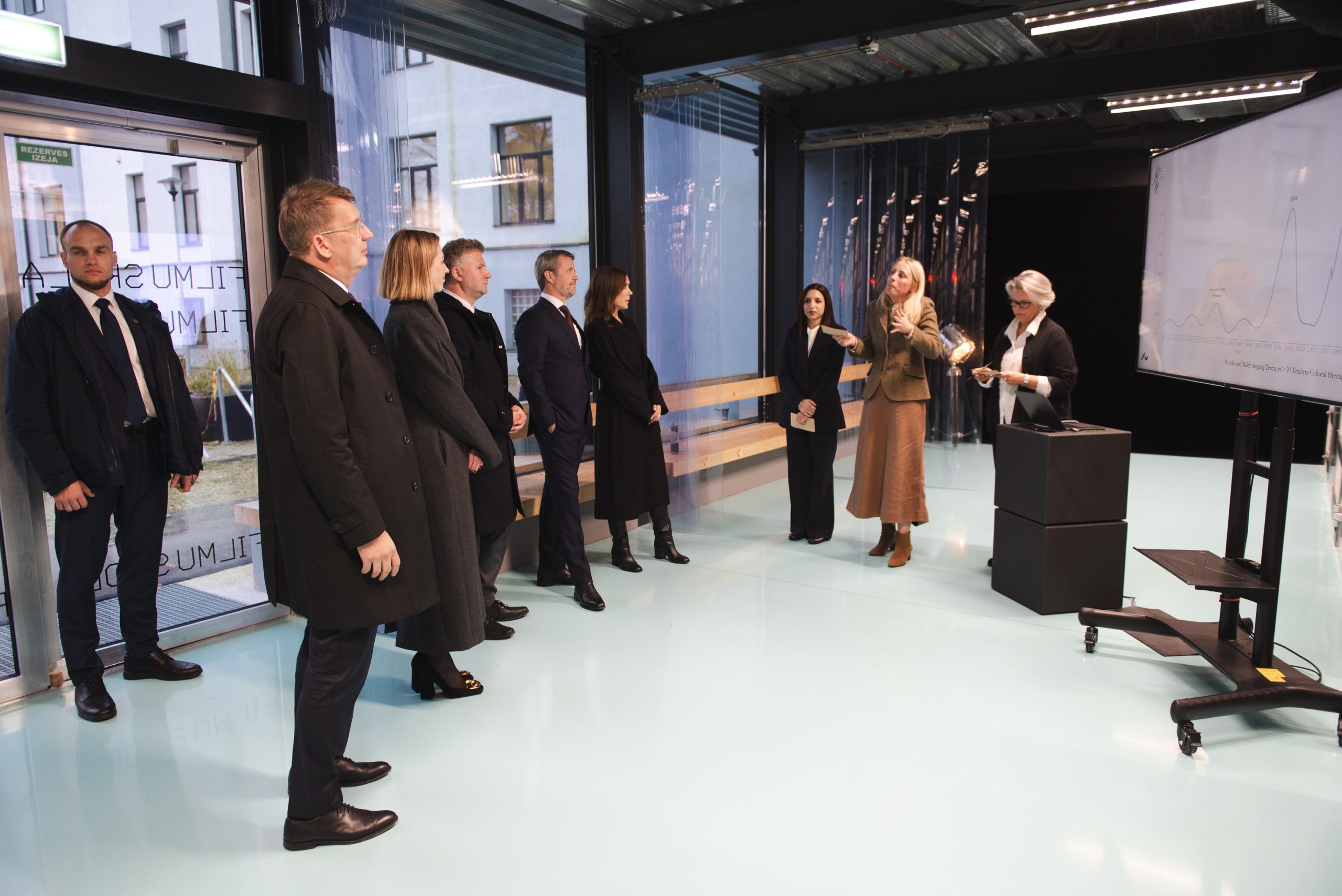
Danish Royal State Visit to Latvia (October 2025) ²
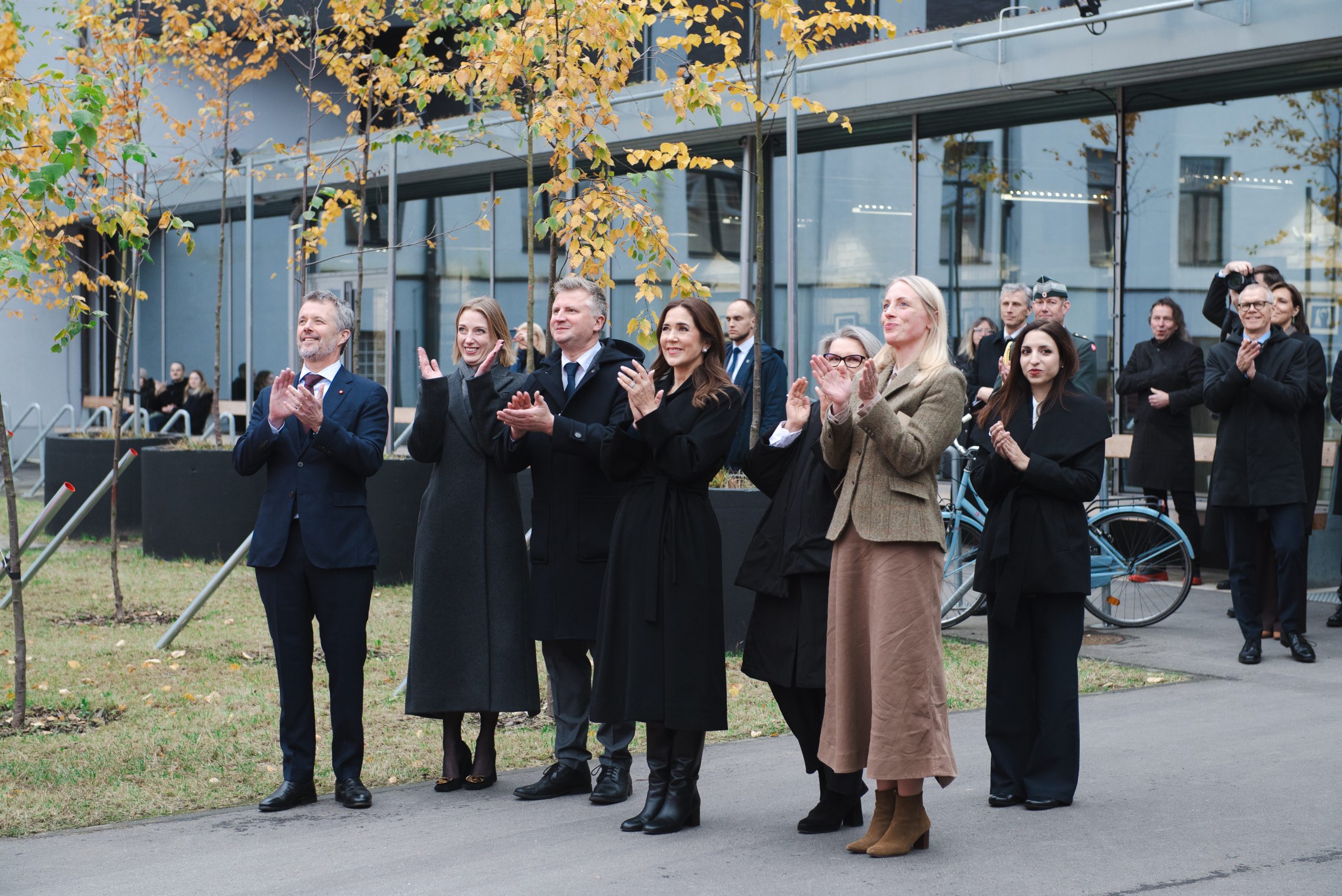
Engagement with Cultural and Political Representatives
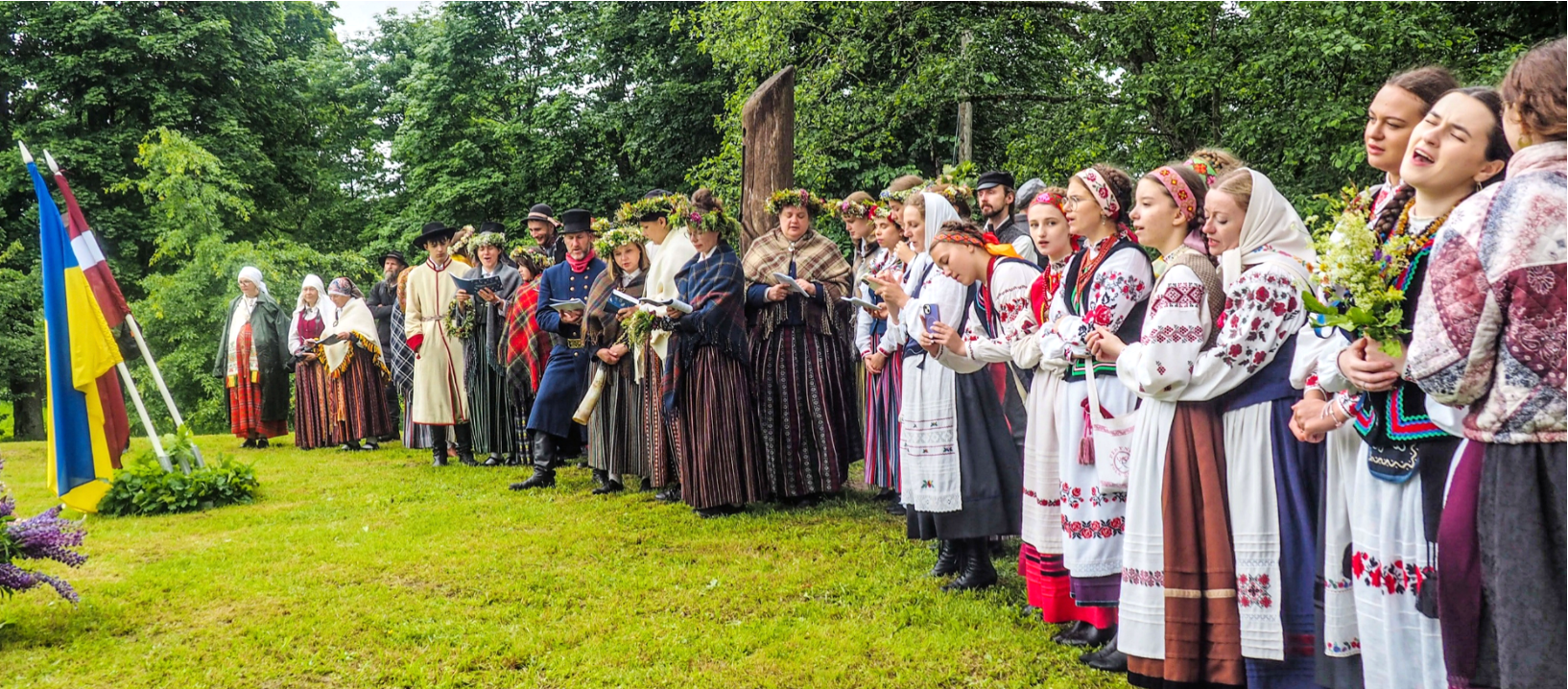
Ethnographic Film – Ukrainian Refugee Communities
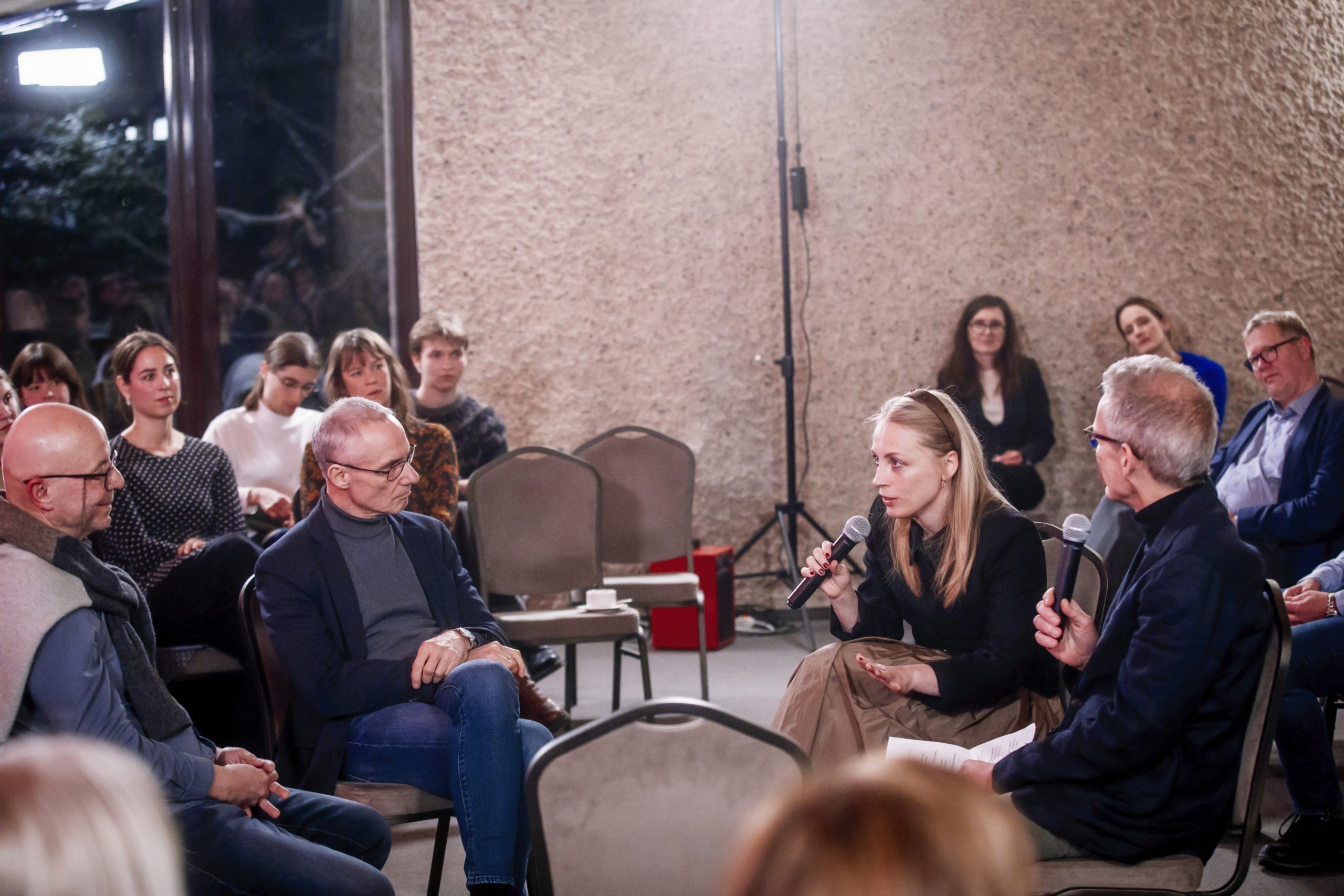
Panel discussion during Danish State Visit (January 2026)
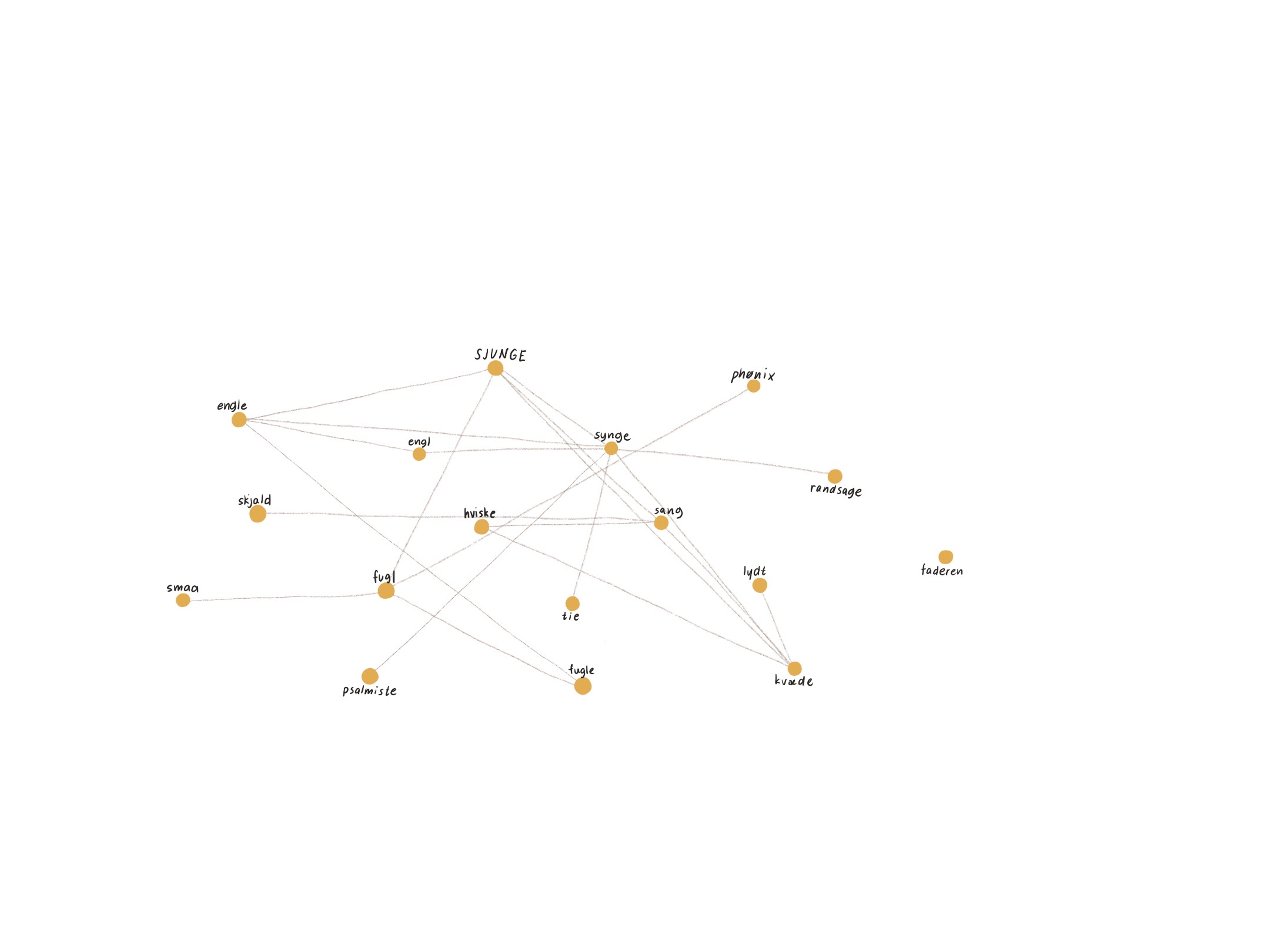
Semantic Graph (Computational Analysis, WP1)