
CMD: The Crisis of Migration Discourse – A Participatory approach for a new lexicon of Migration
CMD – The Crisis of Migration Discourse: A Participatory Approach for a New Lexicon of Migration
CMD examines how migration is framed as a crisis in public and institutional discourse, particularly affecting people using unauthorized routes to enter the EU and the UK. The project positions illegalised migrants as agents of change, collaborating with them to influence current narratives on migration and promote intercultural exchange across Europe.
Specific objectives
- Challenge the crisis narratives of migration
- Amplify migrant voices through participatory methods
- Develop a Just Lexicon of Migration
- Influence policy, journalism and public understanding
Achievements
The potential for research excellence and added value of CMD lies in its commitment to inclusive co-production processes for research and policy-relevant outputs.
The project method centres on ‘spaces of hearing’ (Young, 2000; Bassel, 2017; Bickford, 1996) as a prerequisite for resisting hegemonic discourses and practices on migration and migrants. The project is designed to facilitate the production of knowledge that builds on shared understandings, solidarities/empathy (Arendt, 1951), which serve as grounds for effective action (Young, 2001; Ahmed, 2000; Picozza, 2021; Mazzara, 2019). To do so, the testimonies and experiences of those who are commonly relegated to the margins of ethnographic processes are re-centred, and resources are developed to enhance the intercultural competence of stakeholders working in education, journalism, advocacy, and policymaking.
CMD will achieve this by:
- Examining the current construction of narratives around ‘illegal’ migration and their impact on policymaking (construction).
- Deconstructing the hegemonic narratives on migration through intercultural and participatory encounters with illegalised migrants (deconstruction), and working with illegalised migrants to co-create and publish an alternative just Lexicon of migration (WP2).
- Developing resources that will enhance the intercultural competence of stakeholders working in the fields of education, journalism, advocacy and policymaking (WP2, WP3, WP4). The resources we plan to develop are:
- A Toolkit for Action that will form the basis of several workshops with policy makers, educators and journalists (WP3). These workshops are aimed as a pilot test case for implementing the Toolkit for Action in institutional contexts.
- ongoing training programme (WP4) that will be offered to policy, media, and education institutions as awareness-raising staff development training. The training programme will be complemented with
- a series of YouTube training videos (WP4) that will function as guidance on using the toolkit. (1) At present, the team have been testing and developing our conceptual and analytical framework to develop a framework of understanding the context in which shifts in the language around migration represent shifts in both policy and implementation. (2) The team is collecting institutional narratives on migration across the five researched countries (UK, Italy, Denmark, France and Spain), and we are beginning the analysis of datasets.
(3) We have added to our collaboration networks Molti Volti and Giocherenda, two civil society organisations which we expect to help recruit workshop participants and disseminate research findings. (4) The team has organised and delivered a workshop on “”Preventing and Countering Hate Speech: Why ‘remigration’ is a word that should not enter public debate”” in Brescia, Italy.
(5) Following the workshop in Brescia, attended by policy makers, journalists and the public, our project was highlighted in two newspaper articles published the following day in Bresciaoggi ( a local newspaper) and in Giorno alla Lombardia
(6) The team participated in the workshop ‘The Shelter of Stories’ organised with the support of Prof. Marina Warner and several Civil society organisations that work with refugees and asylum seekers.
(7) Professor Federico Faloppa delivered a TEDX on Linguistic Racism, Hate Speech and Migration. Aspects of the work we are carrying out for the project have informed the TED Talk https://www.youtube.com/watch?v=gpmZeb2o4UQ
News to be highlighted
https://thecrisisofmigrationdiscourse.co.uk/
Consortium/ partners
- Project Leader: Roza Tsagarousianou, University of Westminster, UK
- Anne Vestergaard, Copenhagen Business School, Denmark
- Alicia Ferrández Ferrer, Universidad de Alicante, Spain
- Hélène Thiollet, CNRS CERI Sciences Po, France
- Co-PIs: Federico Faloppa, University of Reading, UK; Federica Mazzara, University of Westminster, UK
- Associate Partners: Nazek Ramadan, Migrant Voice, UK; Mari D’Agostino, ITASTRA, Italy; Francesca Pieraccini, COSPE, Italy
More information:
Prof. Roza Tsagarousianou: [email protected]
 Share on LinkedIn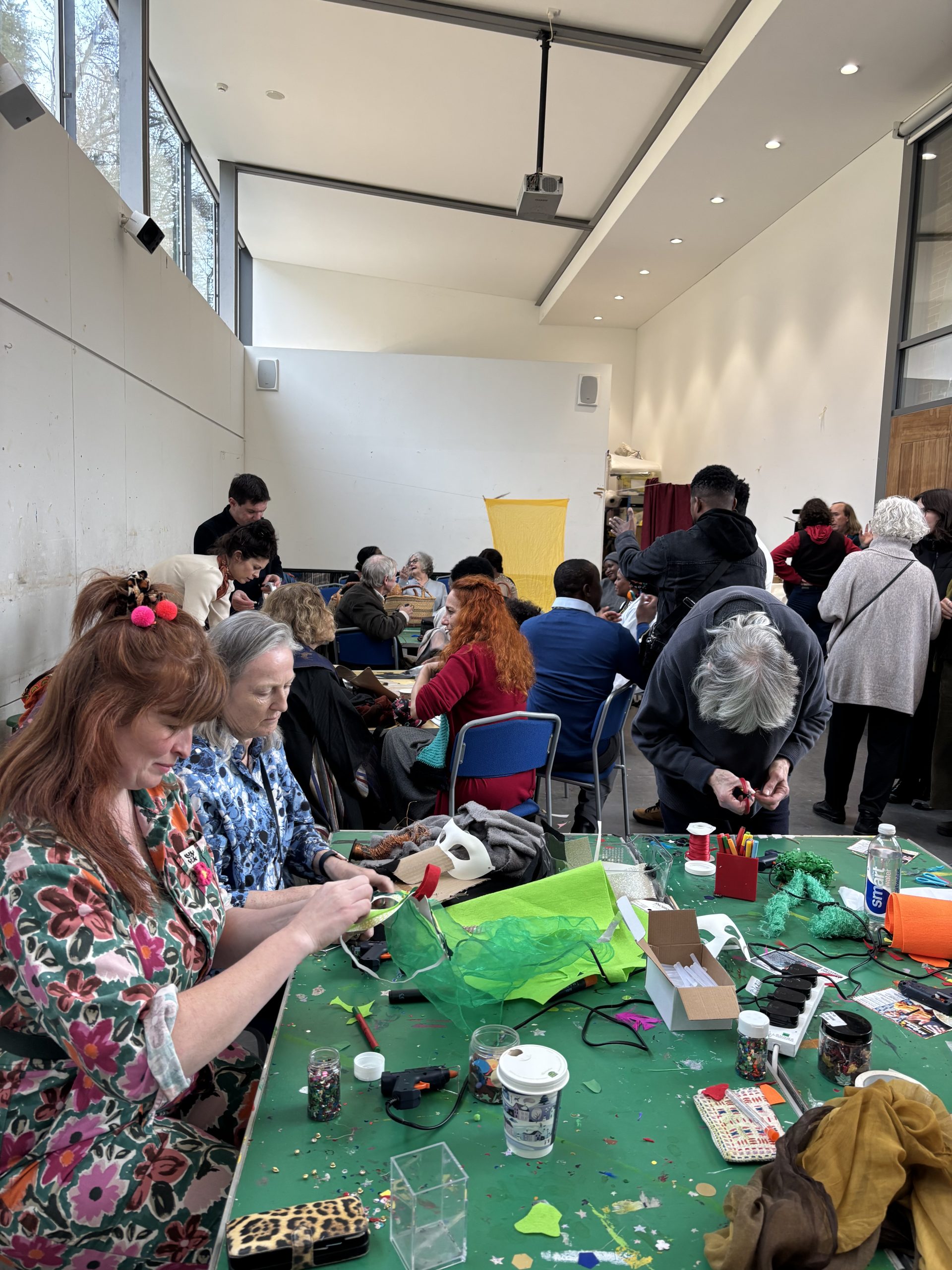
photos taken from the Compton Verney workshop 'The Shelter of Stories' organised with the support of Prof. Marina Warner and several Civil society organisations that work with refugees and asylum seekers
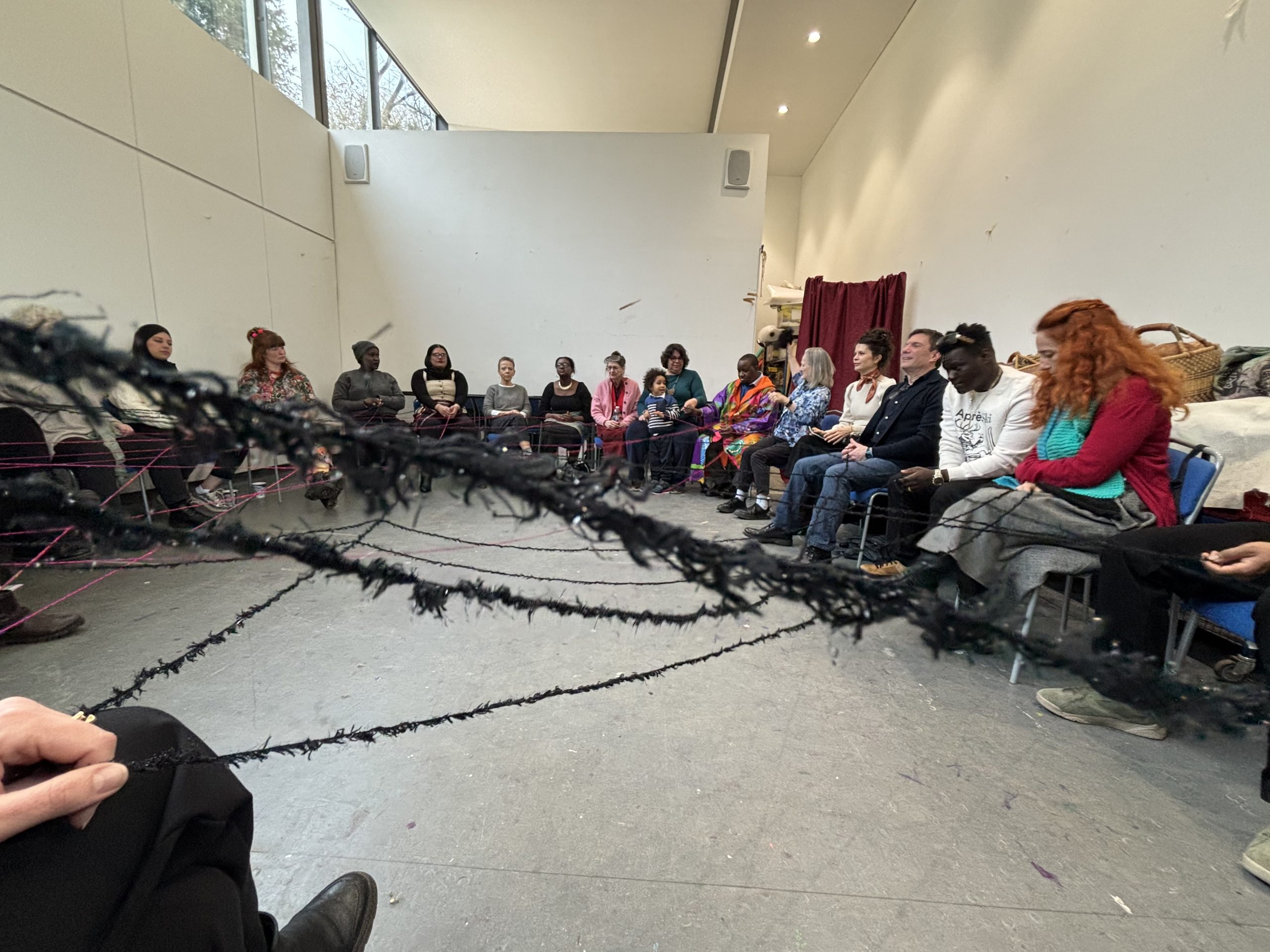
photos taken from the Compton Verney workshop 'The Shelter of Stories' organised with the support of Prof. Marina Warner and several Civil society organisations that work with refugees and asylum seekers
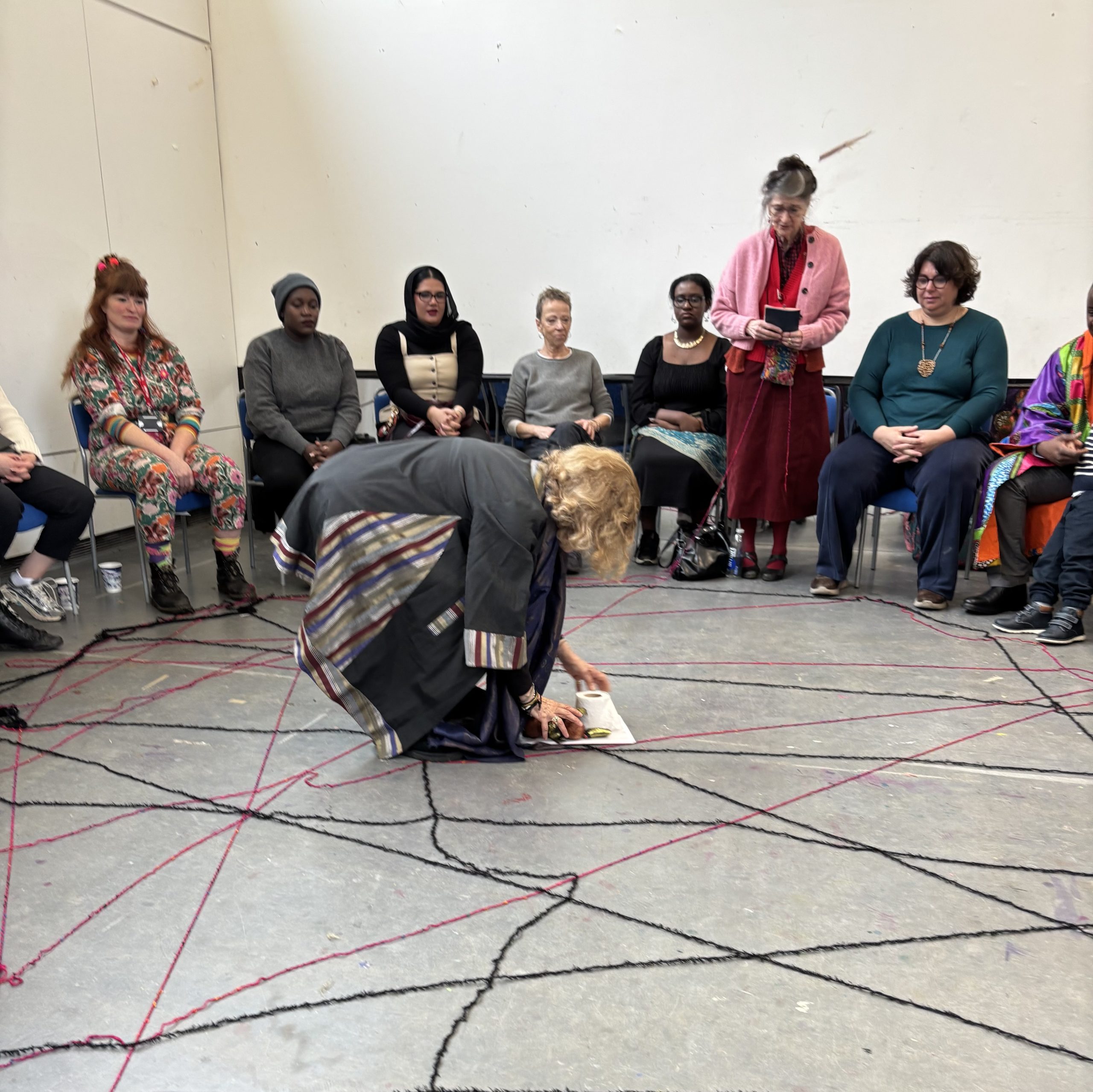
photos taken from the Compton Verney workshop 'The Shelter of Stories' organised with the support of Prof. Marina Warner and several Civil society organisations that work with refugees and asylum seekers